Reading Help
My Child Knows Letter Sounds. So Why Can’t They Read Words?
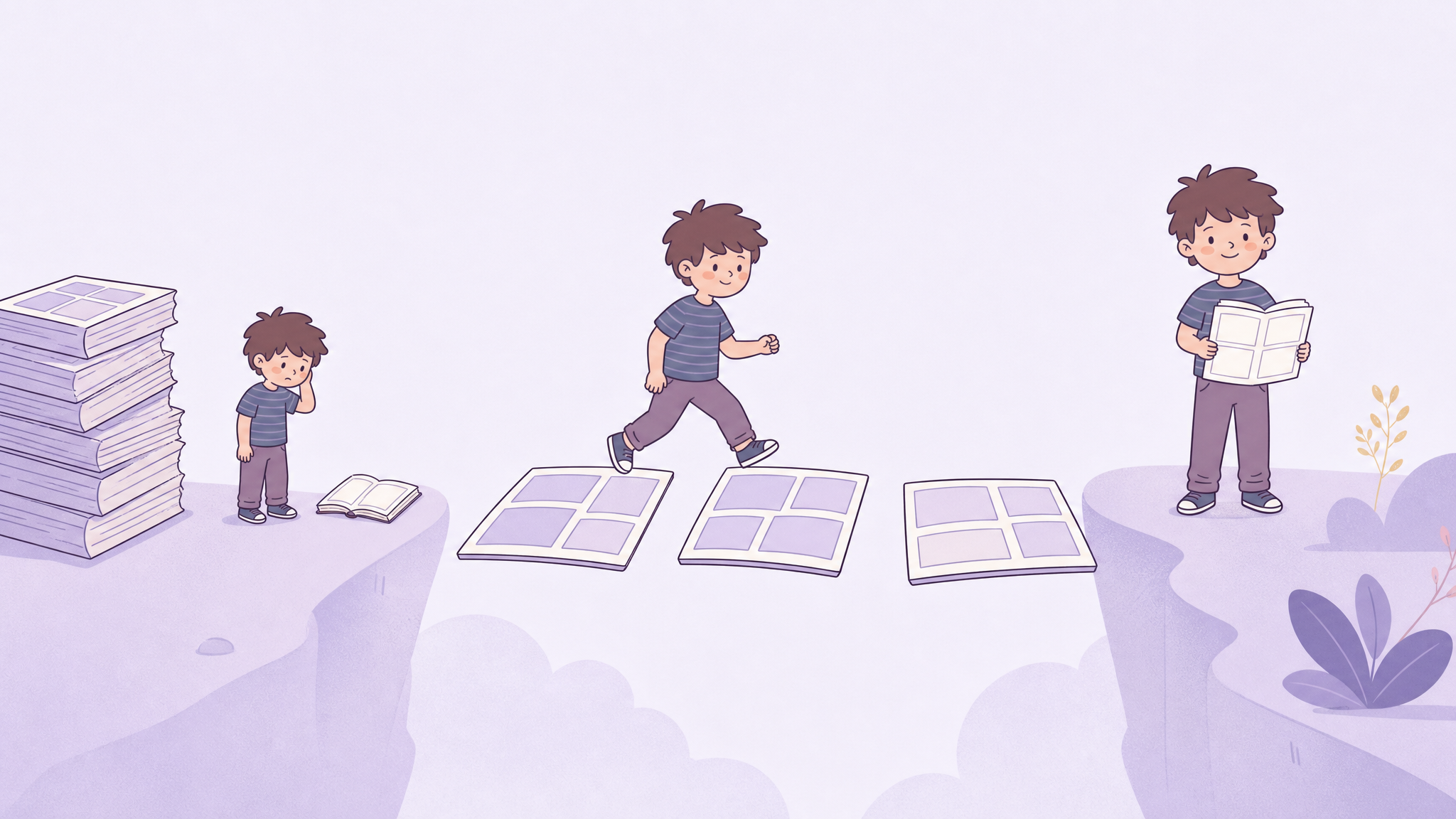
If your child can say letter sounds but still cannot sound out simple words, the missing link is often phonemic awareness, blending, and enough accurate practice to make decoding stick.
A lot of parents end up stuck on the same confusing question.
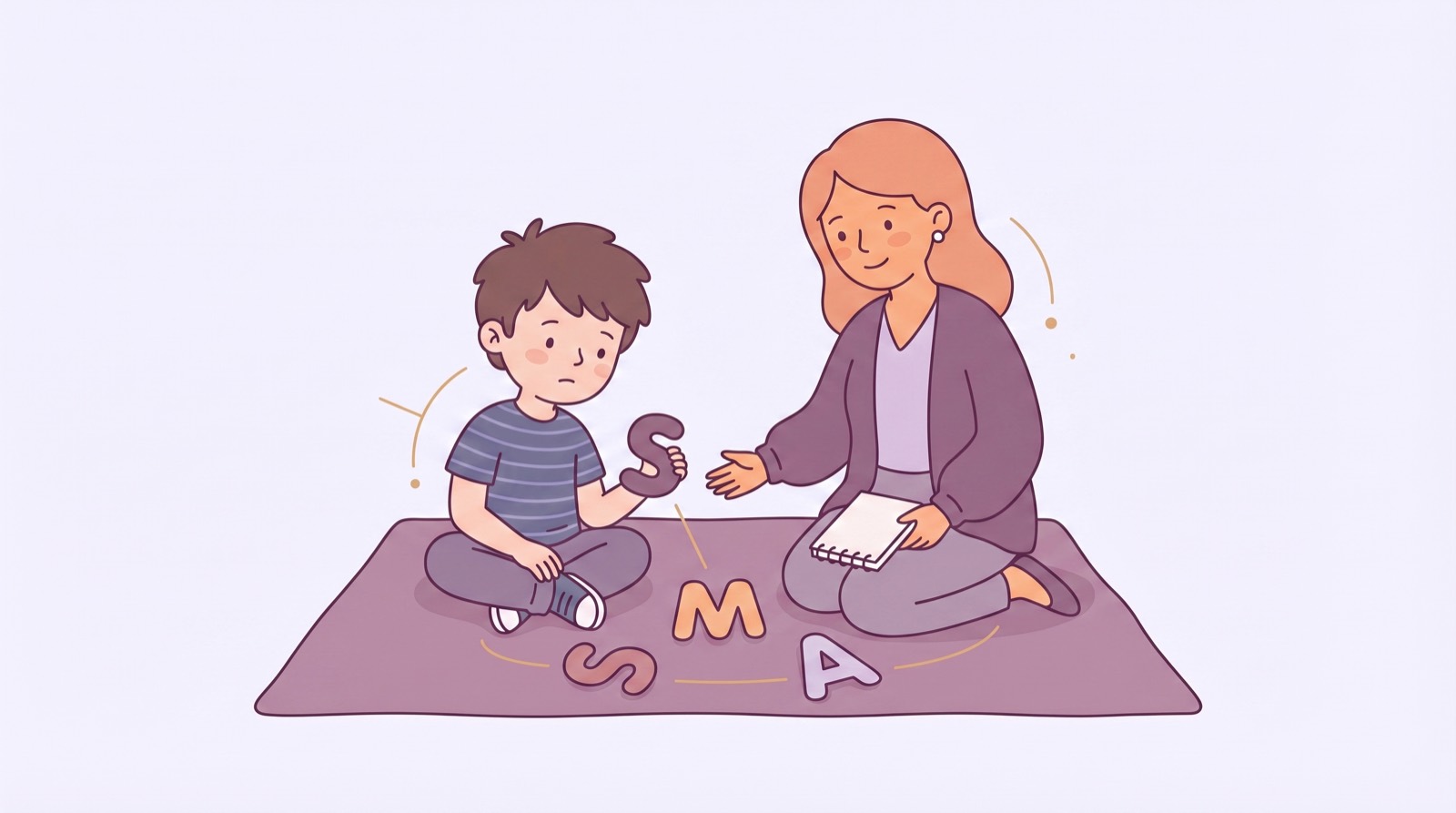
Their child can tell you that b says /b/ and m says /m/. They may even know a surprising number of letter sounds on flashcards. But when it is time to read an actual word like mat, sit, or dog, everything falls apart.
That gap is real, and it is common.
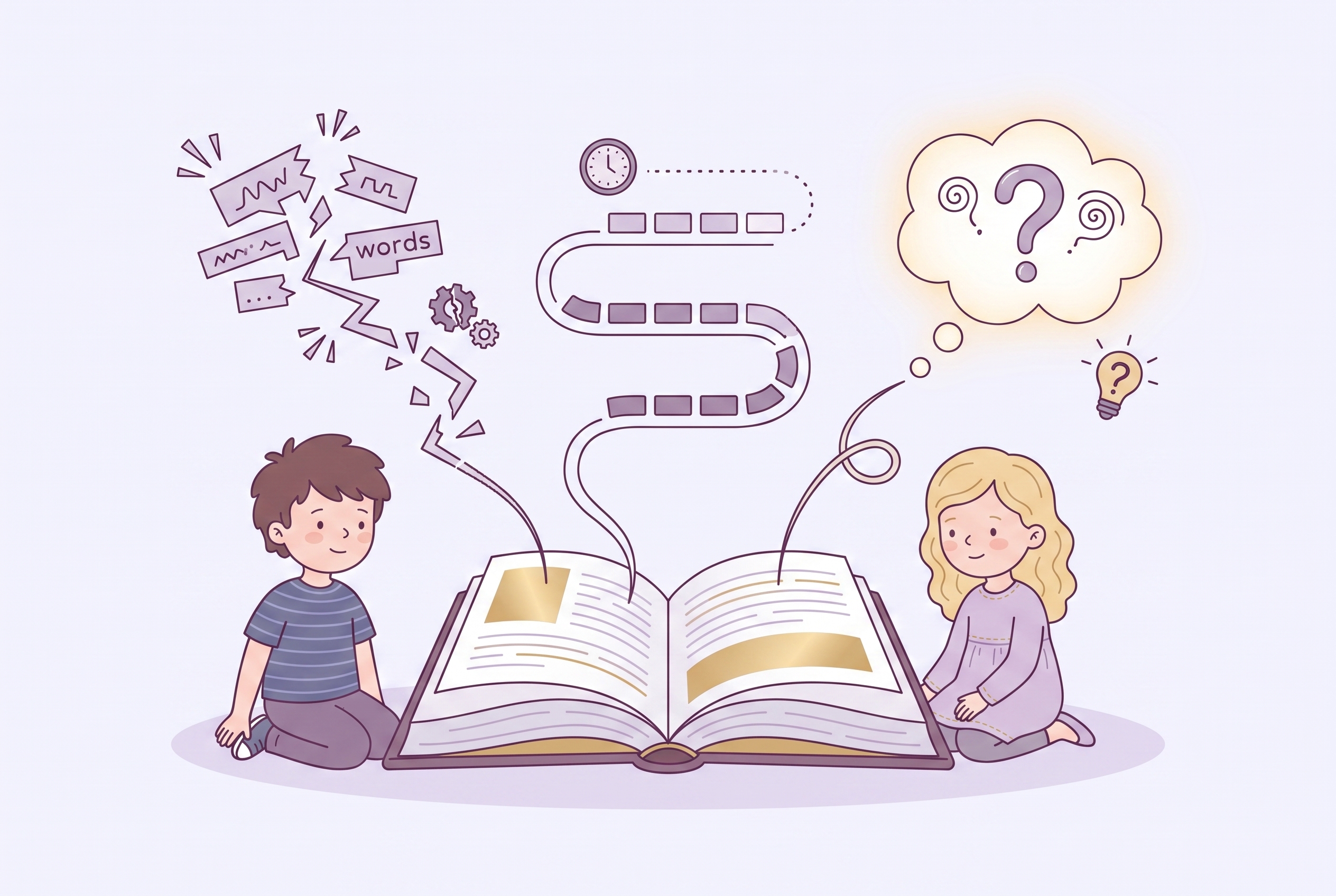
Knowing letter sounds is an important step, but it is not the same thing as reading words. Reading a word asks the brain to coordinate several things at once, and for many struggling readers, that coordination is the part that is not secure yet.
Knowing letter sounds is not the same as decoding
A child who knows letter sounds has learned a useful piece of the puzzle.
But to read even a simple word, they also have to:
- hear the individual sounds in the spoken word
- match those sounds to the right letters or letter patterns
- move through the word in order
- blend the sounds into a recognizable word
- do all of that with enough accuracy and repetition that it starts to feel easier
That is why a child can look strong in isolated sound drills and still struggle badly when print is put together into real words.
The missing link is often phonemic awareness
One of the most common missing pieces is phonemic awareness.
That means being able to notice and work with the individual sounds in spoken words. Before a child can reliably read sat, they need to be able to hear that sat is made of /s/ /a/ /t/.
This sounds simple, but it is not automatic for every child.
Some children can recite letter sounds without being able to pull apart spoken words into phonemes. Others can hear the sounds when someone helps them slowly, but they cannot hold onto them well enough to blend them when letters are involved.
That is one reason the jump from “I know my sounds” to “I can read words” often takes longer than adults expect.
Blending is a skill, not just the next obvious step
Parents are often told that once a child knows sounds, they should be able to blend them.
But blending is its own skill.
A child may know /c/, /a/, and /t/ separately and still not be able to combine them smoothly into cat. They may say each sound with long pauses, forget the first sound by the time they reach the last one, or guess a word instead of putting the sequence together.
In other words, the problem is not always that they do not know the code. Sometimes the problem is that they do not yet know how to use the code fast enough and accurately enough while reading.
Why some word shapes are much harder than others
This is also why many children seem fine one week and stuck the next.
A simple CVC word like map asks them to manage three sounds. A word like stop or lamp asks them to hold onto four. A word like ship asks them to understand that two letters can work together for one sound. Longer words add even more pressure, because the child has to track bigger chunks, more patterns, and eventually syllables or meaningful parts like prefixes and suffixes.
So when a parent says, “He can read sat, but not stop,” that is not strange. It usually means the decoding load just went up.
Why this can break down even when a child seems to know the material
Sometimes the issue is not a total lack of knowledge. It is that the process is still too effortful.
A child may know the sound for each letter, but retrieve those sounds slowly. Or they may get halfway through the word and lose track of what came first. Or they may have learned to rely on pictures, context, or the first letter, because guessing feels easier than full decoding.
That is why the same child can look inconsistent. They are not necessarily forgetting everything. They may be hitting a bottleneck in speed, working memory, or coordination.
Why “just read more” often does not fix it
This is a frustrating one, because it sounds like sensible advice.
But if a child cannot yet decode accurately, simply giving them more books does not always help. In some cases, it just gives them more chances to guess, skip, memorize, or avoid.
What usually helps more is shorter, more explicit practice where the child is actually successful:
- hearing the sounds in a word
- matching sounds to letters
- blending from left to right
- reading words that fit what they have already been taught
- getting quick feedback when something goes wrong
That kind of practice is much more likely to build real word-reading skill.
A key nuance parents should know
There is a lot of talk about blending, and blending does matter.
But research summaries have pointed to something important here: children often need segmentation too. In plain language, that means not just pushing sounds together, but also being able to pull spoken words apart into their individual sounds.
That matters because segmentation helps children map sounds to spellings more accurately. So if a child can sometimes blend with help but still cannot read words reliably, weak segmentation may be part of the problem.
What this has to do with sight words
A lot of parents understandably think the solution might be more memorization.
If sounding out is hard, maybe the child just needs to store more words and recognize them on sight.
But strong “sight word” reading is not usually built by pure visual memorization. It grows when a child repeatedly connects the sounds in a word to the letters in that word until the spelling, pronunciation, and meaning stick together in memory.
That process is often described as orthographic mapping.
So when decoding is shaky, word memory is shaky too. The child does not just struggle to sound out new words. They also have a harder time building the fast, stable word recognition that fluent readers depend on.
What parents can look for at home
If you are trying to figure out where things are breaking, a few patterns can be especially useful to notice.
Your child may know letter sounds but still struggle if they:
- cannot tell you the sounds in a simple spoken word like map
- can say sounds one by one, but cannot blend them into a whole word
- guess from pictures or the first letter
- do fine with mat but fall apart with stop, lamp, or ship
- read very slowly and seem exhausted by simple words
- understand stories read aloud much better than they can read independently
That pattern often points to a decoding bottleneck, not a comprehension problem.
What usually helps
The strongest approach is usually explicit, step-by-step teaching paired with practice that the child can actually succeed with.
At home, that often means:
- short practice sessions instead of long draining ones
- simple spoken sound work, especially blending and segmenting
- matching sounds to letters in a structured way
- reading decodable words and texts that fit the patterns already taught
- prioritizing accuracy before speed
- adding spelling or sound-to-letter mapping, not just reading alone
If the child is older and still stuck, they may also need direct help with bigger patterns, syllables, and meaningful word parts, rather than only basic CVC practice.
What not to assume
If your child knows letter sounds but cannot read words yet, it does not automatically mean they are careless, unmotivated, or not trying.
It also does not mean phonics “didn’t work.” Sometimes it means the child learned pieces of phonics without enough instruction in how to apply those pieces to real words.
And it definitely does not mean they should be pushed toward more guessing.
A child who is still shaky here usually needs more explicit connection between sounds, spellings, and word reading, not less.
When to look into screening or more targeted help
It is worth paying closer attention if the problem persists over time, especially if your child:
- still cannot read simple decodable words after explicit practice
- has major difficulty hearing or segmenting sounds in spoken words
- reads extremely slowly or guesses often
- shows a big gap between listening comprehension and independent reading
- has a family history of dyslexia or significant reading difficulty
That does not automatically tell you what the diagnosis is. But it does suggest the child may need screening or more targeted support rather than more repetition of the same instruction.
A better way to frame the problem
When a child knows letter sounds but cannot read words, the real question is usually not, “Why aren’t they trying harder?”
It is, “Which part of the reading process is still not connected yet?”
That shift matters.
Because once you stop treating reading as simple sound recall and start seeing it as a coordination task, the next steps get much clearer. The child may need better blending routines, stronger segmentation, more manageable text, more accurate practice, or more intensive support. But the answer is usually not mystery. It is usually missing structure.
If you want a broader view of what evidence-based instruction looks like, our structured literacy guide, speech-to-print guide, and science page are good next reads.
Quick FAQ
Common questions parents ask
If my child knows letter sounds, shouldn’t reading come next automatically?
Not always. Naming letter sounds is only one part of reading. A child also has to hear the sounds in a word, connect them to print, blend them in order, and do that often enough for it to get easier.
What is usually missing when a child knows sounds but cannot read words?
Often the missing link is phonemic awareness, especially blending and segmenting. Some children also struggle with retrieval speed, working memory, or need much more explicit decoding practice than they have received.
Should we just keep reading more books at home?
More reading can help only if the practice is accurate and well matched to what the child can decode. Short, explicit practice with feedback usually helps more than repeated guessing through books that are too hard.
Want help at home that actually teaches decoding?
Fonemio gives struggling readers age-respectful comics, in-the-moment decoding support, and evidence-based reading practice.
Start 14-Day Free Trial