Reading Help
Decodable Books vs Predictable Books: What Parents Need to Know
Decodable books help children practice sounding out words. Predictable books often encourage guessing. Here is the difference, and why it matters for struggling readers.
A lot of parents have seen this confusing pattern.
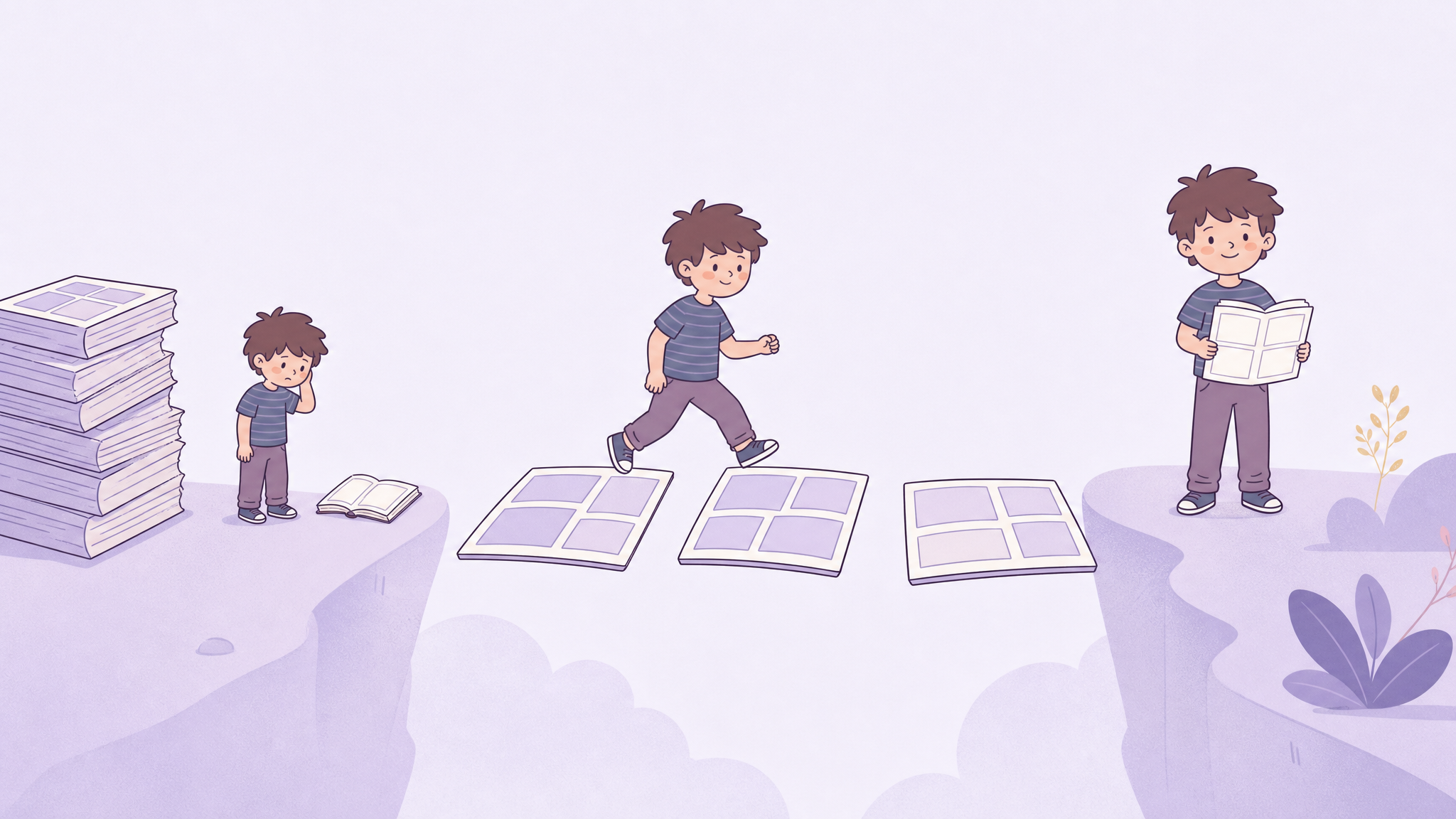
Their child seems to read the little school books just fine for a while. The pages are repetitive, the story feels easy, and the child can often say something that sounds close enough. Then later, reading gets harder, and suddenly the whole thing starts to wobble.
That can feel like it came out of nowhere. Often, it did not. Sometimes the early books were making reading look easier than it really was.
That is where the difference between decodable books and predictable books matters.
What is the difference between decodable and predictable books?
A predictable book usually has repeated sentence patterns, strong picture support, and words a child may not actually be able to sound out yet.
Think of pages like: “I see the dog.” “I see the cat.” “I see the bird.” The pattern stays the same, and the picture does a lot of the work.
A decodable book is built differently. It is written to match the phonics patterns a child has already been taught, so the child can look at the letters, say the sounds, and work through the word.
That distinction sounds small, but it changes what the child is actually practicing.
Why decodable books matter for learning to read
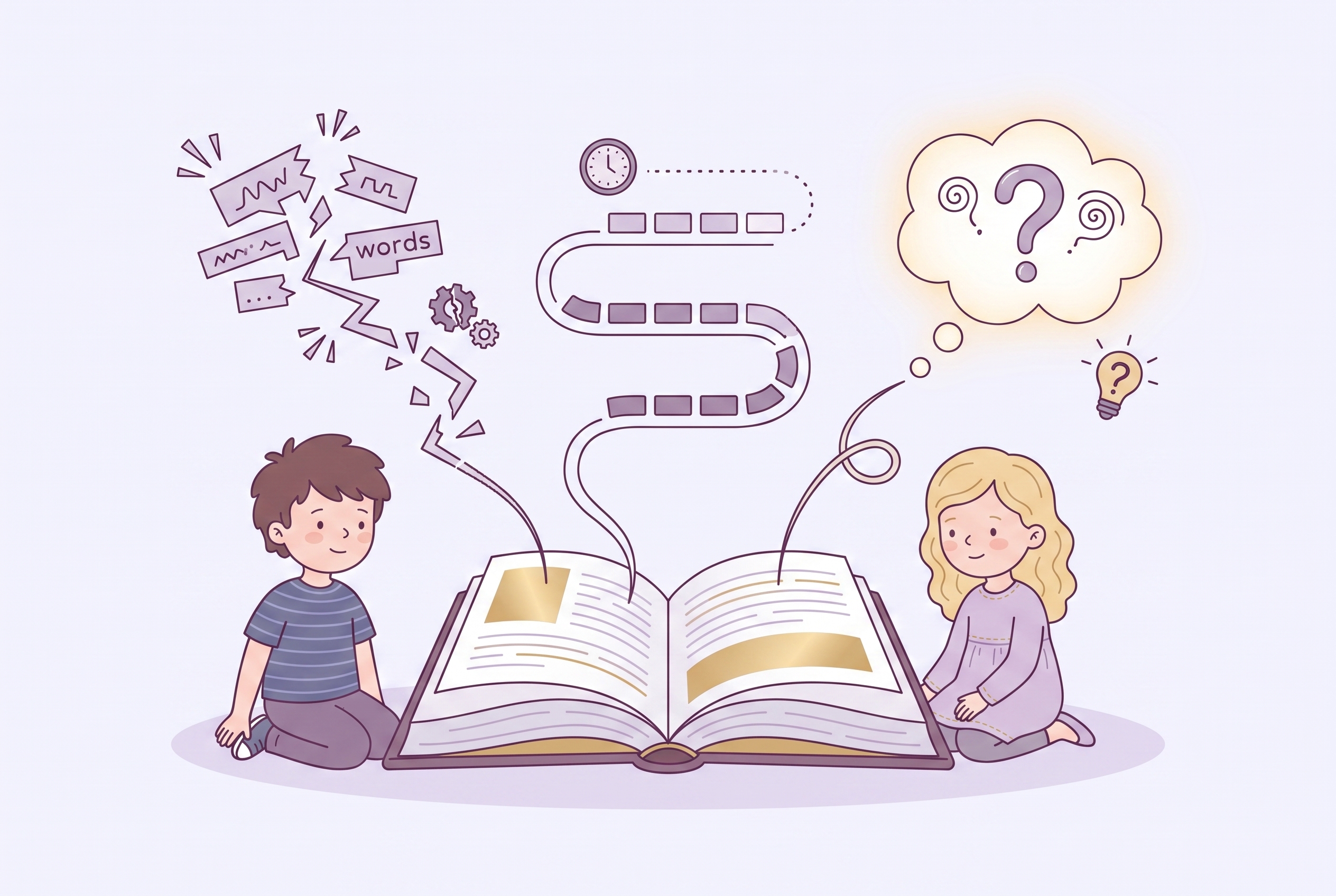
Reading is not just about getting through the page. It is about building a system in the brain for recognizing words accurately and automatically over time.
That system grows when children connect the letters in a word to the sounds in the word, then store that word more securely for the future. This is one reason sounding out matters so much. Each successful decoding attempt helps build the kind of word knowledge that makes later reading easier.
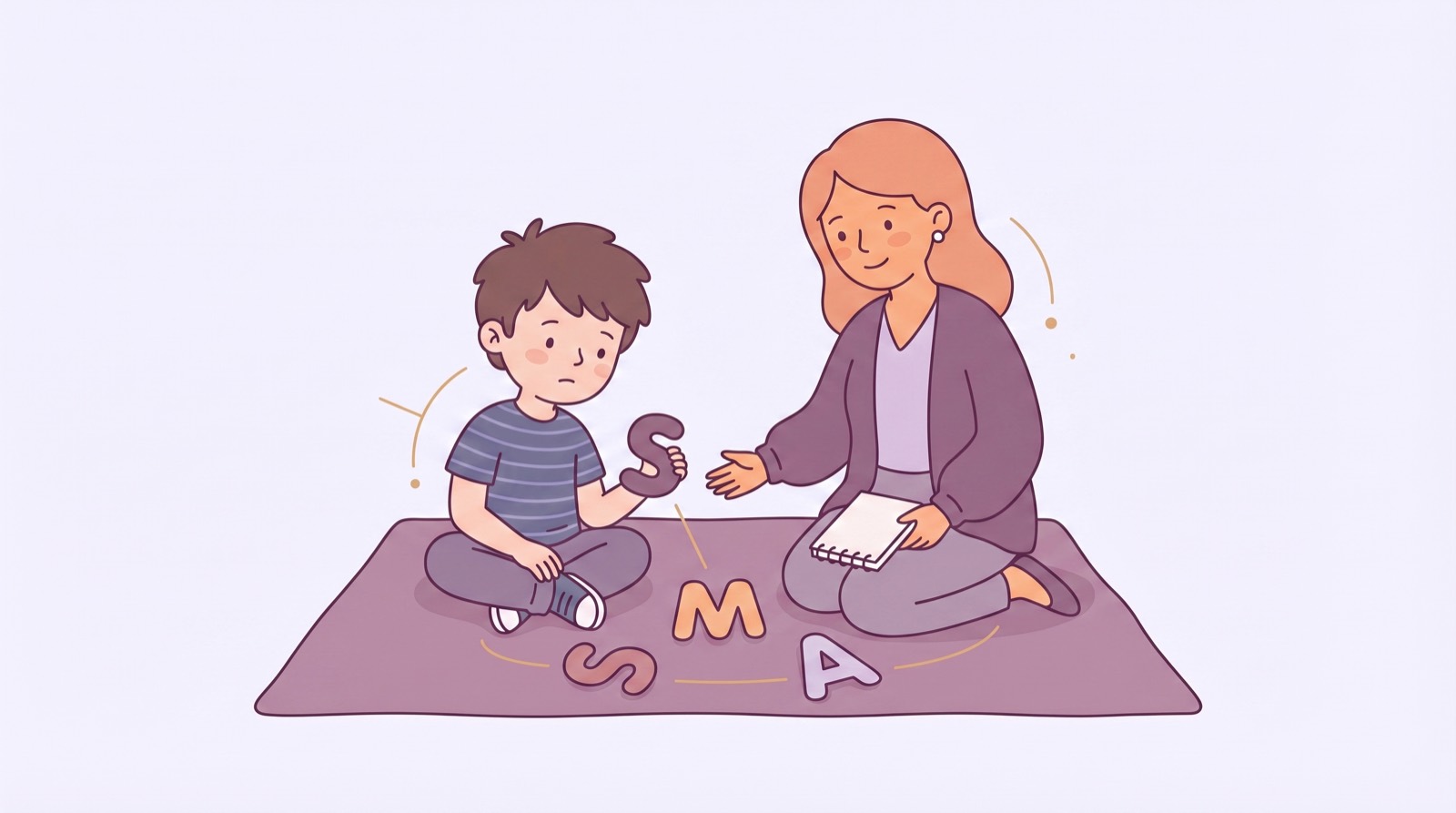
Decodable books support that process because they keep the child's attention on the print. The child has to use the alphabetic code, not work around it.
For struggling readers, that matters even more. If reading already feels effortful, they need practice that strengthens decoding, not practice that lets them bypass it.
Why predictable books can create a guessing habit
Predictable books can make a child look more successful than they really are.
A child may say the right word because they memorized the sentence pattern, glanced at the picture, or guessed from the first letter. That can feel like reading, but it is often a much shakier skill underneath.
This is one reason some children get very good at approximating text. They say something that fits. They keep the story moving. Adults hear a fluent sentence and assume the reading is solid.
But if the child is not attending closely to the letters in the word, they are not getting enough practice with decoding. Over time, that can become a real problem, especially when the pictures disappear, the text gets longer, and guessing stops working.
Does that mean predictable books are useless?
No, and this is where the nuance matters.
Predictable books are not the enemy. They can still be valuable for story enjoyment, vocabulary, oral language, and read-aloud time with an adult. The issue is not that children should never see them. The issue is using them as the main material for independent word-reading practice when the child still needs to learn how the code works.
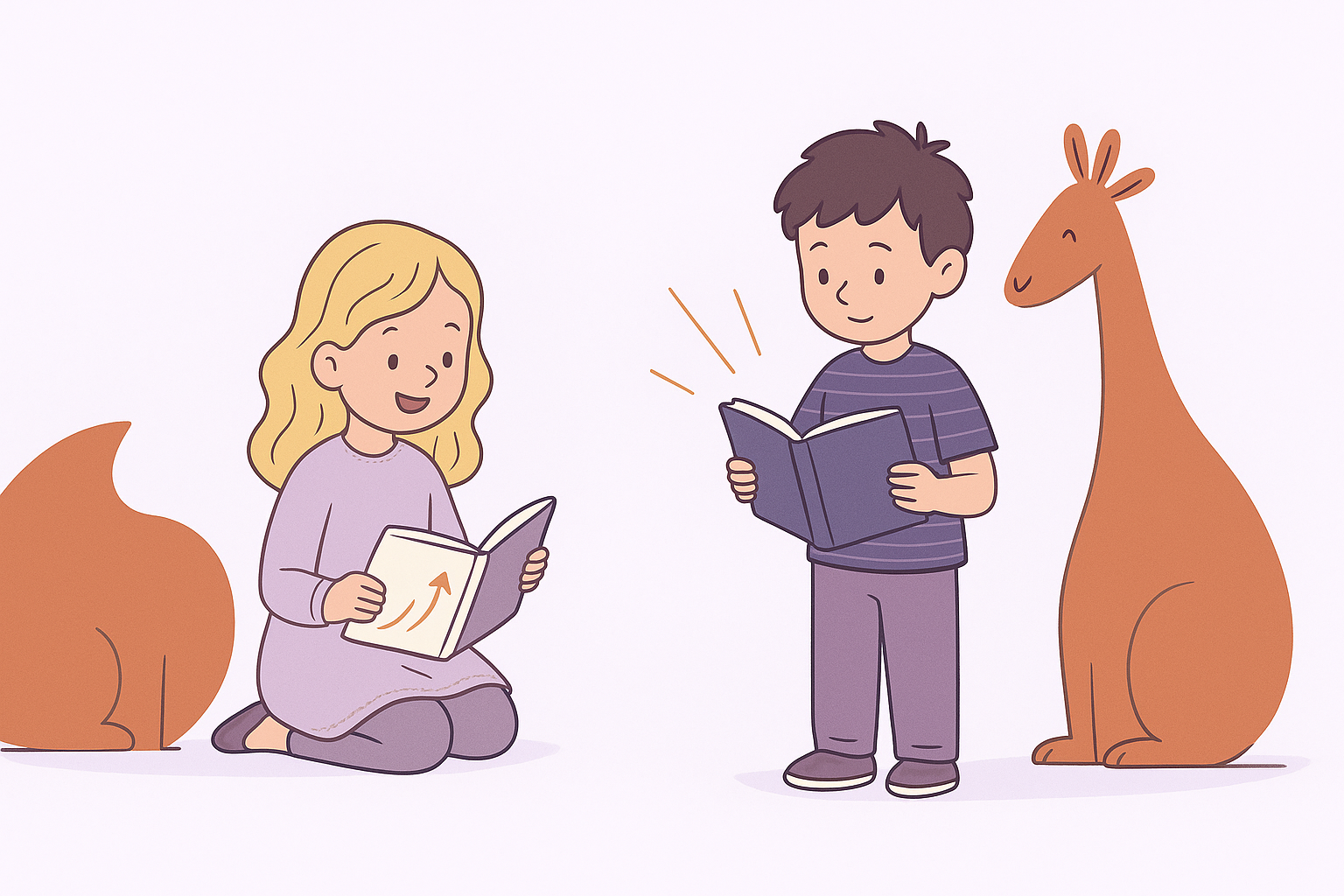
A good way to think about it is this: decodable books are for practicing how to read, while rich storybooks and predictable books can still help with enjoying language and hearing good stories.
Those are both important. They are just not the same job.
What this means for dyslexia and struggling readers
If your child has dyslexia, weak decoding, or a strong habit of guessing, this distinction matters a lot.
Children with dyslexia often need very explicit practice in how sounds map to letters and letter patterns. They usually do better when the text in front of them matches what they have actually been taught. That lowers the odds that reading turns into confusion, freezing, or constant adult rescue.
It also gives parents a clearer window into what is going on. With a more decodable text, you can often tell whether the child is truly working through the word or still relying on a guess.
How to tell if a book is decodable for your child
A book is only truly decodable if it matches your child's current knowledge.
That means a book can be decodable for one child and not for another. A simple practical test is this: when your child reads, can they sound out most of the words using patterns they have already been taught?
If the answer is mostly yes, the book is probably giving them useful decoding practice. If the book depends heavily on memorized patterns, pictures, or words they have not learned how to read yet, it is probably not a strong practice fit.
A rough rule of thumb is that the book should contain mostly familiar sound-spelling patterns, with only a small number of truly tricky words.
What parents can do at home
If your child is prone to guessing, a few small shifts can help right away.
When they get stuck, try bringing them back to the letters instead of the picture. You can say something simple like, “Look at the word. What sound does it start with?” or “Let's go sound by sound.”
It can also help to separate two different reading jobs at home:
- one short session where your child reads text they can actually decode
- another time where you read richer books aloud for enjoyment, vocabulary, and story
That split is useful because it protects both goals. Your child gets real decoding practice, and they also keep access to language-rich stories that may be beyond their current reading level.
Where Fonemio fits
This is part of why Fonemio is built around decoding-level fit.
Children need reading practice that is doable enough to support real word reading, but mature enough that it does not feel babyish. We use age-respectful comics to solve that high-low problem, then add in-the-moment support so kids can keep reading without defaulting to guessing.
The point is not just to make reading more fun. It is to make practice more teachable, more repeatable, and more independent.
The bottom line
If your child has been sent home with books that seem easy but still lead to lots of guessing, the problem may not be effort. It may be that the book is asking them to rely on prediction instead of decoding.
That is an important difference.
Decodable books are not meant to be a child's entire reading world forever. But in the stage where a child is learning how words work, they can give exactly the kind of practice that helps reading become more accurate, less stressful, and more real.
Quick FAQ
Common questions parents ask
Are predictable books bad?
Not necessarily. Predictable books can still be useful as read-alouds for vocabulary, story enjoyment, and language exposure. The problem is using them as a child's main decoding practice when the child still needs explicit sounding-out support.
How do I know if a book is decodable for my child?
A decodable book should mostly contain spelling patterns your child has already been taught. If your child can sound out most of the words by looking at the letters, it is probably a much better fit than a book that forces them to guess from pictures or repetition.
Do decodable books matter for dyslexia?
Yes, often a lot. Children with dyslexia usually need more explicit support with how sounds map to letters and letter patterns. Decodable books give them safer, more targeted practice with that skill.
Want help at home that actually teaches decoding?
Fonemio gives struggling readers age-respectful comics, in-the-moment decoding support, and evidence-based reading practice.
Start 14-Day Free Trial